
Online casino tournaments UK 2026 — costs, formats, leaderboard rules
Online casino tournaments UK: understanding leaderboard costs and mechanics
Current as of 11 November 2026 and cross-checked against the Gambling Commission’s public register of gambling businesses. A slot tournament is a timed leaderboard contest where every entrant plays the same slot for the same window, and the players at the top of the table split a prize pool. The format is older than the websites that host it, but on the British market the rules around it have tightened sharply — stake caps since April and May 2025, a 10x wagering ceiling on bonus funds since December 2025, and a hard rule that the prize money itself is treated as bonus money under most promotions. This page goes through what a tournament actually is, what it costs the player who enters one, and which of ten licensed brands run them in a way that suits a particular kind of bankroll.
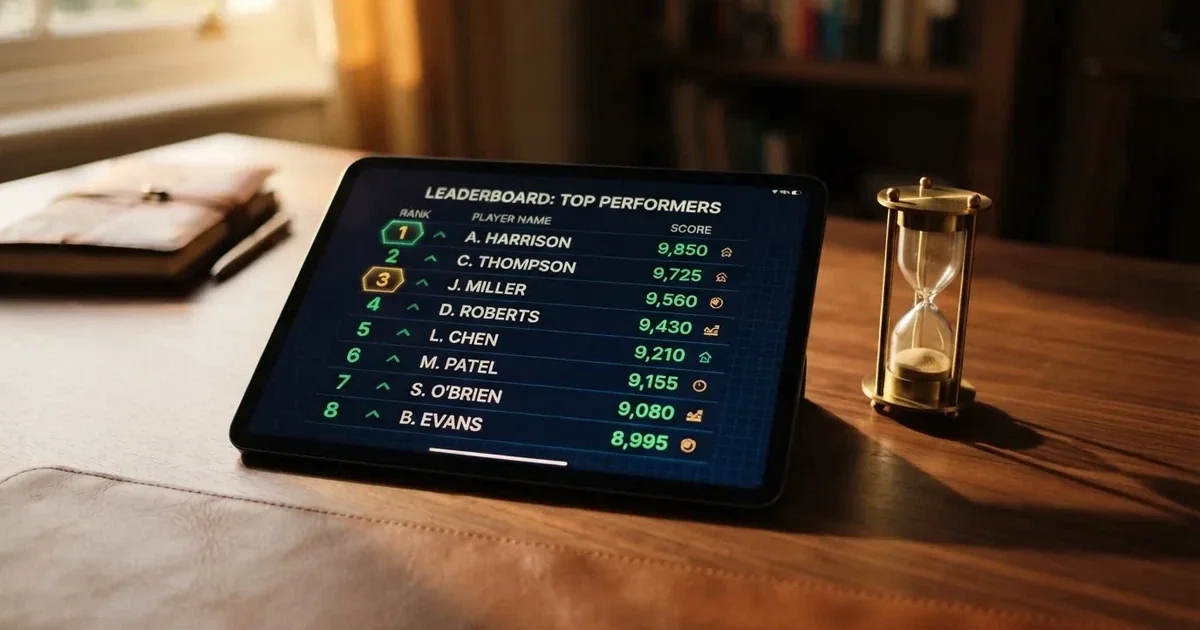
Table of Contents
- Crypto and anonymity on the UK tournament circuit
- How tournament prize money actually reaches a player
- How a tournament bonus is paid out, and what it costs
- Which slots and providers host the leaderboards
- The ten licensed brands running tournaments for British players
- How slot tournaments actually work
- The legal framework tournaments sit inside
- Responsible play around leaderboard contests
- The cost of clearing a tournament bonus: a worked band
- The landscape a player actually compares on
- What to read in the tournament terms before entry
- The shape of the British market in 2026
- Common questions about UK slot tournaments
Crypto and anonymity on the UK tournament circuit
Anonymous play is not possible at a Gambling Commission-licensed casino. Identity, address and date of birth are verified before the first deposit and before any play — a rule in force since 7 May 2019 — and the same check applies whether the player funds the account with a debit card, a bank transfer or a coin. Cryptocurrency deposits have to clear the same onboarding pipeline: source-of-funds questions, a verified payment route, and the operator’s own anti-money-laundering controls. For a player who came to crypto specifically because it sidesteps that paperwork, the British regulated market removes the reason to be there.
That does not make crypto absent from the ten featured brands. Several of them list digital coins among the supported payment methods at the cashier, and a Bitcoin or Ethereum deposit clears the same way as a Faster Payments transfer once the wallet has been verified. Where it differs is in cost. Conversion spreads on a coin deposit can run from under one per cent to several per cent on a weekend, and on-chain confirmation times can stretch from minutes to hours — neither is a problem for a casual entrant with a five-pound buy-in, and both become a real drag on a tournament that pays out within an hour of the leaderboard closing. The Faster Payments Service runs round the clock and most transfers arrive instantly, with a scheme limit of £1,000,000 per transaction, so for a player who values speed and predictability the bank rail wins on both.
The privacy story is similar. The licensed casino has the player’s verified name on file and passes it to GAMSTOP if the player self-excludes. A crypto wallet is pseudonymous, but at a UK-licensed site the wallet itself is tied to that verified identity once it has been used. The coins only stay “anonymous” until they meet the cashier.
For a player who genuinely wants both crypto deposits and anonymity, the licensed British market is closed. The alternative is an offshore casino, which the Commission has no power to licence and no duty to protect. What that player gives up is the entire protection layer: no GAMSTOP, no Commission complaints route, no approved alternative dispute resolution, no recourse if the operator declines to pay a tournament prize. The cost of anonymity, in other words, is everything the licence provides — and on a leaderboard format where the prize fund is a small bonus subject to wagering, the player is paying that cost for a contest worth very little in cash terms.
How tournament prize money actually reaches a player
Prize payout is the section where the marketing word and the reality diverge the hardest. A “£10,000 prize pool” sounds like ten thousand pounds in cash, and at some operators on some leaderboards it is; at others the same figure is paid as bonus funds with a wagering requirement attached. The split matters because the British market has had a wagering cap since 19 December 2025 — no bonus, including a tournament prize, can carry a wagering requirement higher than 10x the bonus amount — and the same rule banned mixed-product offers like “bet on sport, get casino spins.” Both changes affect tournaments directly.

Speed of payout sits on a separate axis. Most licensed operators run internal approval on a tournament win within a few hours of the leaderboard closing, and once cleared the funds hit the cashier in the same range a withdrawal normally does. A debit card or an e-wallet can pay out the same day for verified accounts; a bank transfer through Faster Payments typically settles within minutes once the operator releases it. Apple Pay works the other way around — it is fast on the way in and, on most of the featured brands, not a withdrawal method at all, so a winning tournament balance cannot be sent back to Apple Pay and has to come out as a bank transfer. AstroPay is in the same boat for most operators: instant deposits, withdrawals that take a working day or longer.
The mechanic the reader actually cares about is the wagering chain on the prize itself, not the rail it travels on. A 10x cap on a £50 bonus means the player has to stake £500 before the prize converts to withdrawable cash — which, at a £5 maximum spin on slots, is one hundred spins, and at the regulated 2.5-second minimum gap between spins, about four minutes of mechanical play. That is the ceiling the regulator sets; an operator can set a lower wagering multiple, and several of the ten brands do. A free-spin prize on the same contest typically converts at the slot’s own return-to-player rate over the spins themselves, with whatever is left as cash once the spins run out — and at a 96 per cent RTP that is roughly four pence of expected loss per pound wagered, before the spin value is even counted.
The cost calculation the rest of this page works through uses these rails. The wagering band the §7 rule produces is the one a player actually faces when they win, and the time it takes to clear it is the time before any of that money is theirs to withdraw.
How a tournament bonus is paid out, and what it costs
A 10x wagering cap on a £100 tournament prize is a £1,000 turnover obligation before the money is yours. That is the standard the regulator has set since 19 December 2025, and it is the worst case the player faces under the rule. Several operators run a lower multiple — 5x, even 0x in some no-wagering free-spin pools — but the worst case is the one to plan around, because the prize pool is set by the operator and the regulator only caps the ceiling.
Working the figures: at a £5 maximum spin, £1,000 of turnover is two hundred spins. The minimum gap between spins is 2.5 seconds under the auto-play ban, so two hundred spins is five hundred seconds, or roughly eight and a half minutes of mechanical play. The expected loss from that two hundred spins, at a representative 96 per cent slot RTP, is four per cent of the turnover, or £40. The £100 prize minus the £40 expected loss leaves a net expected value of £60 before any time cost is counted. That is the band the player is working in: somewhere between roughly £40 and £60 of expected value after the wagering clears, depending on which slot the operator has picked and how many of those spins land on bonus features that pay above the base rate.
The interesting comparison is with a non-tournament bonus. A standard welcome package of “deposit £100, get £100 bonus” at 10x wagering carries the same £1,000 turnover obligation as the tournament prize above. The difference is the player’s control: a welcome bonus sits in the account until the player decides to play it, and a tournament prize is paid as part of a contest the player has already started. Both routes end at the same wagering obligation under the cap, but the tournament route adds a leaderboard, a clock, and a competitor set — three things that push play faster than the player would have set it on their own.
A free-entry tournament changes the maths. Entry is free, the prize is paid in bonus funds or free spins, and the player has risked nothing on the way in. The expected value of the prize still has to clear the same wagering ceiling, and the same 10x cap applies. The difference is that the player has not deposited to enter, so the wagering obligation is against an unrealised bonus rather than against a real stake — and any portion of the bonus that is lost to the house edge is lost in the same direction it would have been anyway. For a player who values entertainment over cash conversion, a free-entry leaderboard contest is the cleanest offer in the format, because the cost is purely the time spent playing.
A deposit-gated tournament is the costliest version, and the version the marketing copy emphasises hardest. “£10,000 prize pool” with a £10 buy-in is, on the face of it, a thousand-to-one shot at a four-figure share. The buy-in is real money, the prize is bonus funds, and the bonus carries the wagering ceiling. The expected loss is the buy-in plus the wagering-related expected loss on the bonus, and the chance of taking any cash at all depends on where the player finishes on the leaderboard. For most entrants the answer is “nowhere near the paid places,” and the buy-in is gone.
Which slots and providers host the leaderboards
Tournaments do not run on every slot. They run on a small set of titles the operator has picked, usually because the title has a wide bet range (so the player can enter at the minimum stake without being excluded), a fast spin cycle (so two hundred spins do not take an hour), and a high enough return-to-player that the leaderboard reflects luck and timing rather than the slot’s own house edge punishing the player. Big-name progressive jackpots are poor tournament hosts because the prize pool is concentrated on a single spin and most players on the leaderboard never see it; low-volatility classics with frequent small wins make better leaderboards because every entrant has something to rank against.
The studio side matters less than the title side. A tournament on a NetEnt classic will look and play differently from a tournament on a Pragmatic Play slot, but the leaderboard mechanic is the same — total win over a fixed number of spins, or highest single win, or a multiplier race where the score is the win divided by the stake. What the studio does affect is the bet range and the spin cadence, both of which change the cost calculation above.
A freeroll — a free-entry tournament with no buy-in — typically uses a slot the operator wants to promote, often a new release or a returning seasonal title. The slot is usually set at the minimum stake so the player cannot “buy” a leaderboard position by staking higher, and the contest runs over a fixed window with a fixed prize pool. The leaderboard updates in real time, with the top twenty or so positions paying out and the rest of the field earning nothing. For the player the cost is time, not money; for the operator the cost is a guaranteed prize pool paid as bonus funds.
A deposit-gated tournament uses the same mechanic with a buy-in, and the slot is chosen for entertainment value as much as for fairness. The operator’s marketing will emphasise the prize pool and the number of paid places; the player who reads the terms will find the wagering obligation on the prize and the spin limit that applies during the contest. Both are within the regulator’s rules; neither is hidden, and a player who is comparing two tournaments on the same brand should read the terms page before either buy-in or entry.
For a player who is choosing between a tournament and a standard bonus, the practical test is which slot the operator has picked. A contest on a 96 per cent RTP slot with a wide hit frequency gives the player more spins on the leaderboard and a better chance of finishing in the paid places. A contest on a low-RTP or high-volatility title compresses the leaderboard into a handful of big-win spots, which is bad news for the median entrant and good news for the operator’s marketing copy.
The ten licensed brands running tournaments for British players
Ten brands, all of them on the Gambling Commission’s public register, all of them running remote casino operating licences in Great Britain. Several sit under the same parent licence, which is worth knowing before a player treats them as independent options: Ladbrokes, Coral and Gala Bingo are all LC International Limited, and the terms that apply on one apply in much the same shape on the others. The list is not a ranking, does not recommend one over another, and is not exhaustive — the Commission’s register on the snapshot date carried 139 businesses holding an active remote casino operating licence, of which these ten are the featured set.
| Brand | Licence holder and remote casino licence | Domain status on the register | Tournament support |
|---|---|---|---|
| Paddy Power | PPB Games Limited · 039411-R-319335-010 | Active | — |
| Ladbrokes | LC International Limited · 054743-R-330863-014 | Active | — |
| MrQ | Tek Fox Ltd · 060629-R-337532-004 | Active | — |
| Coral | LC International Limited · 054743-R-330863-014 | Active | — |
| bet365 | Hillside (UK Gaming) ENC · 055149-R-331499-004 | Active | — |
| Betfred | Petfre (Gibraltar) Limited · 039544-R-319290-010 | Active | — |
| Casumo | Recro Limited · 061549-R-336718-002 | Active | — |
| 888casino | 888 UK Limited · 039028-R-319297-014 | Active | — |
| Jackpotjoy | Gamesys Operations Limited · 038905-R-319430-022 | Active | — |
| Gala Bingo | LC International Limited · 054743-R-330863-014 | Active | — |
The Gambling Commission’s domain register recorded 1,065 active and 361 white-label entries as of 18 September 2026, which dwarfs the ten-brand featured set and explains why a player who steps off this list will find very different offers under similar licence numbers. A licence number on the register follows the form account-R-number-suffix, where the first six digits repeat the licence holder’s account number and the “R” marks a remote licence; the suffix is a sequence number. White-label entries trade under another company’s licence — the licence holder remains the regulated entity, and the white-label site is a brand the holder has agreed to host.
For tournament support specifically, none of the ten featured brands publishes a public schedule on the regulator’s register; what each operator publishes is on its own tournament page, and what is there changes from week to week. The honest reading is that all ten are capable of running a leaderboard contest under their licence, several run them continuously, and the practical comparison a player can make is which brand’s regular terms — minimum stake, wagering ceiling, free-entry versus deposit-gated, payout rail — best fit the bankroll they have walked in with.
Paddy Power — heavy brand, full tournament slate
Paddy Power’s domain, Paddy Power, is listed on the Gambling Commission register as an active domain of account 39411, PPB Games Limited, which holds the active remote casino operating licence 039411-R-319335-010. The brand runs slot tournaments alongside its sportsbook, typically weekly, with prize pools advertised in cash and bonus funds. The offer is broad rather than specialist, and the player who has a Paddy Power account for sports betting will find the casino tournament tab sitting next to the bet slip.
The trade-off is the standard one for a high-volume brand: most of the prize value is paid as bonus funds subject to the 10x wagering cap, the leaderboard is competitive, and the paid places are concentrated near the top. For a casual entrant the expected value sits in the same band any other licensed brand offers; for a player who has a working relationship with the cashier already, the convenience is the differentiator.
Ladbrokes — same engine as Coral and Gala, different front door
Ladbrokes, Coral and Gala Bingo all sit under LC International Limited’s remote casino operating licence 054743-R-330863-014. These brands are listed on the register as active domains of account 54743. From a player’s perspective the three brands share a cashier, a terms structure and a tournament engine, and the choice between them is mostly about which lobby and which bonus structure the player prefers.
Tournament offers on the three brands tend to mirror each other on a weekly cycle, with one or two running a flagship contest and the others running a smaller freeroll. A player who wants the highest advertised prize pool will usually find it on Ladbrokes or Coral; a player who wants the lowest barrier to entry will usually find a free-entry contest on one of the three at any given time. The common terms — wagering cap, minimum stake during the contest, payout rail — apply identically.
MrQ — small operator, no-wagering specials
MrQ is operated by Tek Fox Ltd (account 60629) under remote casino operating licence 060629-R-337532-004. MrQ’s marketing leans hard on no-wagering free spins as a brand differentiator, and the same approach tends to show up in its tournament offers: smaller prize pools, but paid as cash or as bonus funds without a wagering requirement, or with a 1x conversion.
The trade-off is volume. MrQ runs a smaller slate than the LC International brands or Paddy Power, and the leaderboard contests do not run every week. For a player who values cash conversion over headline prize size, that is a real upside; for a player who wants a contest to enter on a particular evening, it is a constraint.
Coral — sister to Ladbrokes, smaller lobby
Coral’s domain, coral.co.uk, sits under the same LC International Limited licence as Ladbrokes — 054743-R-330863-014, account 54743. The two brands share the tournament engine and most of the underlying offers; the difference is the front end and the seasonal promotions. A Coral player who has seen a Ladbrokes tournament on the same week will recognise the structure.
Where Coral tends to differ is in its bingo-led tournament calendar, which runs alongside the slot contests. A player who likes mixed-format leaderboards — slots, bingo and occasional live-dealer contests — will find more on Coral’s page than on most of the other featured brands. The wagering rules apply uniformly.
bet365 — high-volume, in-house leaderboards
bet365 holds remote casino operating licence 055149-R-331499-004, issued to Hillside (UK Gaming) ENC (account 55149). The brand runs an in-house games lobby alongside third-party slots, and the in-house titles often carry their own leaderboards — short-window contests with prize pools paid as bonus funds.
The headline offer on bet365 tends to be a multi-game or multi-day leaderboard with a prize pool in the high four or low five figures, weighted toward players who can sustain volume across the contest window. For a player who plays in long sessions and at higher stakes, the bet365 contest structure rewards exactly that. For a casual entrant with a small buy-in, the contest is unwinnable by design.
Betfred — bookmaker heritage, mid-volume contest slate
Betfred is a major operator with roots in the high-street bookmaker trade, held by Petfre (Gibraltar) Limited under licence 039544-R-319290-010. The casino tab sits next to a large sportsbook. Tournament offers tend to be weekly, mid-volume, and paid in bonus funds.
Betfred’s contest structure tends to favour the mid-field entrant rather than the leader — paid places extend further down the leaderboard than at the high-volume brands, and the prize per place is correspondingly smaller. For a player who plays regularly and finishes in the same band of the leaderboard week after week, that is a real advantage.
Casumo — gamified contests, adventure-style leaderboards
Casumo is operated by Recro Limited (account 61549) under remote casino operating licence 061549-R-336718-002. The brand’s identity is built around gamified loyalty — trophies, adventure progress, level-up rewards — and the tournament offers tend to mirror that structure. Contests often run on a points basis across multiple slots, with the leaderboard rewarding volume and variety rather than raw win totals on a single title.
The trade-off for the player is that Casumo’s contests reward the kind of play the player was already doing on the brand. A player who is logging in daily and playing a varied lobby will collect leaderboard points almost by accident. A player who drops in for one contest a month will find the points structure less forgiving.
888casino — long-running brand, broad contest schedule
888casino operates under remote casino licence 039028-R-319297-014, held by 888 UK Limited (account 39028). The brand has one of the longer continuous presences on the UK regulated market, and the contest schedule is correspondingly broad — daily freerolls, weekly deposit-gated contests, and seasonal flagship events.
The headline offer on 888casino is volume: a player who plays regularly will find a contest to enter most days. The trade-off is that the prize pools are spread across many small contests rather than concentrated on a single flagship, and the per-contest expected value is correspondingly modest.
Jackpotjoy — bingo-led, slots on the side
Jackpotjoy is operated by Gamesys Operations Limited (account 38905) under remote casino operating licence 038905-R-319430-022. The brand identity is bingo-first, and slot tournaments are a secondary feature rather than the main event. Where they exist, the slot contests tend to be modest in size and short in duration.
For a player whose primary account is on a slot-led brand, Jackpotjoy’s slot tournament slate is unlikely to be the reason to switch. For a player who already plays on Jackpotjoy for the bingo, the slot contests are an occasional bonus rather than a reason to log in.
Gala Bingo — LC International again, bingo-skewed
Gala Bingo’s domain, Gala Bingo, sits under the same LC International Limited licence as Ladbrokes and Coral — 054743-R-330863-014, account 54743. The brand’s tournament calendar skews the same way Jackpotjoy’s does: bingo-led, with slot contests as a secondary feature. The shared licence means the wagering rules and payout rails are identical to the other LC International brands.
For a player comparing the three LC International brands, the practical differentiator is the lobby and the bonus calendar, not the licence terms. Gala Bingo’s slot contests tend to be smaller than Ladbrokes’ or Coral’s, and a player who wants the largest available prize pool on the licence will usually find it on one of the other two.
How slot tournaments actually work
A slot tournament is a leaderboard contest run over a fixed window — usually an hour, a day, or a week — on a single slot or a small set of slots. Every entrant plays the same game, and the score on the leaderboard is one of three things: total win over a fixed number of spins, highest single win during the contest, or a multiplier race where the score is the win divided by the stake. The players at the top of the table when the window closes split the prize pool.
The mechanics are older than the websites. Land-based casinos ran slot tournaments for decades, with players tapping a button as fast as they could over a fixed number of spins. The online version is the same idea with a clock the operator controls: the spin cadence is fixed by the auto-play ban at a minimum 2.5 seconds between spins, and the number of spins is set by the contest terms. The player who tries to spin faster hits the same minimum gap as everyone else, which is what makes the leaderboard a level playing field on cadence and a luck-of-the-draw contest on the score.
Entry can be free, paid, or deposit-gated. A free-entry contest — a “freeroll” — pays a real prize pool to the top of the leaderboard, and the player has risked nothing on the way in. A paid contest charges a buy-in that goes into the prize pool, sometimes with the operator adding a top-up. A deposit-gated contest is free to enter but requires the player to have made a qualifying deposit in a set window beforehand; the entry itself is free, but the deposit is the de facto buy-in.
The prize structure is the part of the contest that varies the most. Some contests pay cash, with no wagering requirement and no further conditions. Most pay bonus funds, with a wagering ceiling that since 19 December 2025 cannot exceed 10x the bonus amount. A few pay free spins, with the spin value set by the operator and the wagering obligation running over the spin winnings rather than a fixed bonus. The player who reads the terms before entry will know which kind of prize they are chasing; the player who reads only the headline “£10,000 prize pool” is the one who gets surprised by the wagering chain.
The leaderboard itself updates in real time, and most operators show the player’s current position throughout the contest. A player who is mid-table with an hour to go can make a tactical decision about whether to keep playing or stop and bank whatever position they have; a player who is outside the paid places at the halfway mark is making a different decision about whether to chase. Both decisions are real, and both cost the player in time at the regulated 2.5-second spin cadence.
The legal framework tournaments sit inside
Tournaments in Great Britain sit inside the same regulatory frame as the slots they run on. The Gambling Commission, sponsored by the Department for Culture, Media and Sport, is the regulator, working under the Gambling Act 2005 and the Gambling (Licensing and Advertising) Act 2014. The 2014 Act closed the offshore route: any operator taking customers in Great Britain needs a Commission licence, wherever the operator itself is based. A Curaçao, Maltese or Gibraltar licence is not a substitute, and an offshore operator taking British customers is committing an offence under section 33 of the Gambling Act 2005.
The Commission’s public register is the test of whether a brand holds a licence. The register is searchable online and downloadable as CSV or Excel files, with three pieces of information that matter for a player: the licence number, the domain, and the licence status (Active, Inactive, or White Label). On 18 September 2026 the register listed 139 businesses holding an active remote casino operating licence, and the domain register recorded 1,065 active and 361 white-label entries. A white-label entry is a brand trading under another company’s licence — the licence holder is the regulated entity, and the white-label site is a brand the holder has agreed to host.
The slot rules apply to tournaments exactly as they apply to any other slot play. The stake caps since 9 April 2025 and 21 May 2025 — £5 per game cycle for players 25 and over, £2 for 18-to-24s — apply to every spin in a contest, even if the contest is free to enter. The 2.5-second minimum gap between spins applies throughout. Auto-play is banned. The financial vulnerability check at £150 net deposits in a rolling 30-day window — using public data only, in force since 28 February 2025 — applies whether the deposits are tournament buy-ins or anything else.
The bonus rules apply to tournament prizes. Since 19 December 2025 the wagering ceiling on any bonus is 10x the bonus amount, and mixed-product bonuses — “bet on sport, get casino spins” — are banned. A tournament prize paid as bonus funds cannot carry a wagering requirement above 10x, and a free-spin prize has the wagering chain running over the spin winnings rather than a fixed bonus. The change mattered for tournaments specifically because many of the larger prize pools were previously paid at 30x or 40x wagering, which sat well above the new ceiling.
Age verification is not optional. The minimum age is 18, and since 7 May 2019 the operator has to verify name, address and date of birth before the first deposit or any play. The same verification feeds GAMSTOP, the national online self-exclusion scheme that has been a mandatory condition of every online licence since 31 March 2020. The player who has self-excluded cannot enter a tournament on any of the ten featured brands until the exclusion period ends.
Anonymous play is impossible at a licensed site. The crypto route that sidesteps identity checks at an offshore casino does not sidestep them at a Commission-licensed one. The licensed operator verifies the payment rail — bank account, debit card, e-wallet, or crypto wallet — and ties it to the verified identity on the account.
Responsible play around leaderboard contests
Leaderboard contests are designed to push volume, and a player who enters one is opting into a structure that rewards sustained play over the contest window. The Gambling Commission’s responsible gambling framing — GamCare, the National Gambling Helpline, GambleAware — applies to tournaments exactly as it applies to any other form of play, and the Commission’s own materials note that competitive leaderboards can push play beyond a planned budget.
The mechanical risk on a tournament is the same as on any slot session: the house edge compounds over spins, and the wagering obligation on a prize compounds it again. A player who has set a session budget before entering and stops when the budget is gone is protected from the contest’s main failure mode, which is the leaderboard position looking reachable and pulling the player past the original limit. The 2.5-second minimum spin gap is a slow pace by design, but it is also a pace that lets a session run for a long time at low cost per minute.
Time-out and self-exclusion tools sit on every licensed operator. GAMSTOP covers every Commission-licensed online casino and runs for six months, one year, or five years, with no early cancellation. The financial vulnerability check at £150 net deposits in a rolling 30-day window is a backstop for players who have not self-excluded; the operator runs a public-data check and may ask for further information before allowing further deposits.
The practical advice for a player entering a tournament is to set the time and money limits before entry, not during. The leaderboard will still be there at the end of the session; the bankroll will not. A free-entry contest costs time only, and the same time-limit rule applies. A deposit-gated contest costs both, and the player who treats the buy-in as the entry fee rather than as a stake to chase will get closer to the break-even point than the player who reloads mid-contest to keep playing.
The cost of clearing a tournament bonus: a worked band
The wagering ceiling since 19 December 2025 is 10x the bonus amount, and a tournament prize paid as bonus funds cannot exceed it. Working the band at the worst case — a £100 bonus at the 10x cap, on a slot at the £5 maximum stake — the player has to turn over £1,000 before the bonus converts to withdrawable cash. At the regulated 2.5-second minimum gap between spins, £1,000 of turnover at £5 a spin is two hundred spins, or roughly eight and a half minutes of mechanical play. At a representative 96 per cent slot RTP, the expected loss on those two hundred spins is £40. The net expected value of the bonus, after the wagering clears, is therefore somewhere in the band of £40 to £60, depending on which slot the operator has chosen.
At the other end of the band — a £10 bonus at 1x wagering on the same slot — the turnover is £10, the spins are two, and the expected loss is forty pence. The bonus converts to cash after two spins and the player has roughly £9.60 of expected value. The same arithmetic scales: a smaller bonus at a lower multiple leaves a similar proportion of expected value, with the absolute figure lower.
Tournament Payout Methods
| Method | Typical Speed | Common Usage |
|---|---|---|
| Debit Card | Same day | Withdrawals |
| Faster Payments | Minutes | Fast withdrawals |
| Apple Pay | Deposit only | Funding |
| E-wallets | Same day | Withdrawals |
| AstroPay | 1+ working days | Deposit/Withdrawal |
The calculation is an estimate, not a guarantee. It assumes the player wagers only the bonus amount and plays only at the maximum stake the rules allow, and the actual outcome on any single session will scatter widely around the expected value. The 96 per cent RTP is itself an average over a long run of spins; on any given two hundred spins the realised return can sit well above or below that figure. What the band tells the player is the structural cost of the contest, not the result of any one entry.
The landscape a player actually compares on
The practical comparison between the ten featured brands is not headline prize pools — those change weekly — but the underlying terms that sit beneath them. Every brand on this list operates under the same 10x wagering ceiling, the same £5 stake cap for over-25s and £2 for 18-to-24s, the same 2.5-second minimum spin gap, the same GAMSTOP integration, and the same financial vulnerability check at £150 in net deposits over a rolling 30-day window. What varies is the prize structure, the contest frequency, and the payout rail.
The brands that lean on no-wagering specials — MrQ is the clearest example — pay smaller prizes in cash rather than bonus, which puts them at the high end of the expected-value band for any given prize figure. The brands that run the largest advertised prize pools tend to pay the prize as bonus funds at or near the 10x ceiling, which puts them at the lower end. The brands that sit between — the mid-field leaderboard at Betfred, Casumo’s points-based contests, 888casino’s daily freerolls — trade off prize size for contest frequency and entry terms.
For a player with a small bankroll, the contest that fits is a free-entry leaderboard on a slot with a low minimum stake and a high hit frequency, where the expected value of the prize is set against the time cost rather than a buy-in. For a player with a deeper bankroll and a longer session, a deposit-gated contest on a higher-volatility slot rewards exactly the volume the player has signed up for, and the wagering chain at the end is the predictable cost of the entry. Neither is the “right” choice for everyone; both are choices a player can make with the rules in front of them.
What to read in the tournament terms before entry
The tournament terms page is the document that tells the player what the contest actually costs, and the four clauses that matter are the wagering requirement, the prize type, the stake limit during the contest, and the payout rail. Reading those four clauses before entry closes most of the gap between the headline prize figure and the cash the player will actually take home if they finish in a paid place.
The wagering requirement is a multiplier on the bonus amount, capped at 10x since 19 December 2025. Anything above 10x is a breach of the LCCP and should be reported; anything below is the operator’s choice and is the player’s leverage. A 0x requirement on a bonus converts to cash the moment the contest pays out, and the rest of the calculation above collapses to the slot’s own RTP over the spins.
The prize type is bonus funds, free spins, or cash. Bonus funds carry the wagering chain; free spins carry a chain over the spin winnings; cash carries nothing. The same headline figure paid three different ways sits at three different points in the expected-value band.
The stake limit during the contest is the maximum spin value the player can use and remain eligible for the leaderboard. For over-25s it is £5 per game cycle; for 18-to-24s it is £2. A contest that sets the stake limit lower than the regulatory ceiling — typically at the minimum stake, to prevent players “buying” a leaderboard position — is telling the player that volume, not stake size, is what the leaderboard measures.
The payout rail is the path the prize money takes once the contest closes. E-wallets and debit cards typically pay out the same day for verified accounts; bank transfers through Faster Payments usually settle within minutes once the operator releases them; Apple Pay and most prepaid wallets do not pay out at all, and a prize balance has to come out as a bank transfer. The rail matters less for the cash figure than for the time it takes to reach the player.
The shape of the British market in 2026
The British regulated online casino market is the largest in Europe and one of the most tightly regulated in the world. The Commission’s public register is the test of whether a brand is licensed, and the domain register records every active and white-label entry against its licence account. On the snapshot date the register held 139 businesses with an active remote casino operating licence and 1,065 active plus 361 white-label domain entries — a footprint that has grown steadily under the post-2014 licensing regime and that the Commission’s enforcement work continues to police at the edges.
The market’s own terms — the stake caps, the wagering ceiling, the auto-play ban, the GAMSTOP requirement, the financial vulnerability check — are the rules every tournament on the featured set operates inside. They are not optional, they are not advertised as features, and a player who enters a tournament on a licensed brand has agreed to all of them by the act of opening the account. The contest terms are layered on top: the prize structure, the wagering chain, the stake limit during the contest, the payout rail. The first set is the regulator’s, and it is the same on every brand. The second is the operator’s, and it is where the comparison happens.
For a player comparing tournaments in 2026, the honest reading is that the differences between the ten featured brands are smaller than the marketing suggests. The largest prize pool on the list is roughly ten times the smallest, and the wagering ceiling applies to all of them. The differentiators that genuinely matter — payout speed, wagering multiple, free-entry versus deposit-gated, the slot the operator has chosen — sit in the terms page, not the headline. A player who reads the terms before entry is making the comparison the marketing copy does not want them to make, and that is the comparison that decides what the contest actually costs.
Common questions about UK slot tournaments
How do online slot tournaments work at UK casinos?
A slot tournament is a timed leaderboard contest on one or a small set of slots. Every entrant plays the same game over a fixed window, and the score on the leaderboard is typically total win over a fixed spin count, highest single win, or a multiplier race. The players at the top of the table when the window closes split the prize pool, which on the ten featured brands is paid as cash, bonus funds or free spins. Entry can be free (a freeroll), paid (buy-in), or deposit-gated, and the wagering ceiling on any bonus-paid prize has been capped at 10x since 19 December 2025.
Can I enter a slot tournament without making a deposit?
Yes. A freeroll is a free-entry tournament with a real prize pool, and several of the ten featured brands run them on a weekly or daily cycle. The player has risked nothing on the way in, and the prize is paid as bonus funds, free spins or occasionally cash depending on the operator. The same stake caps and spin-gap rules apply during the contest as on any other slot play, and the prize carries whatever wagering chain the terms page states — usually the 10x ceiling since December 2025, occasionally lower.
What determines my ranking on a tournament leaderboard?
It depends on the contest. The three common formats are total win over a fixed spin count, highest single win during the contest, and a points race where the score is the win divided by the stake. The leaderboard updates in real time, and most operators show the player’s current position throughout the contest. The mechanical constraint is the 2.5-second minimum gap between spins, which means cadence is fixed across the field and the leaderboard measures luck and timing rather than speed.
How quickly are tournament prizes paid out?
Once the contest closes, the operator runs an internal approval on the leaderboard, which typically takes a few hours. After approval, the prize hits the cashier in the same range a normal withdrawal does: e-wallets and debit cards often the same day for verified accounts, bank transfers through Faster Payments within minutes of release, and Apple Pay or most prepaid wallets not at all — a winning balance has to come out as a bank transfer. The player who has verified their account before the contest will get the prize faster than the player who verifies after.
Do crypto deposits count towards tournament entry the same as card payments?
Yes, after the wallet has been verified by the operator’s onboarding checks. The same minimum age and identity verification applies whether the deposit is a debit card, a bank transfer or a coin, and the deposit counts as a deposit for any deposit-gated tournament regardless of rail. The practical difference is in conversion spread and confirmation time — a coin deposit on a weekend can lose several per cent on the conversion, and on-chain confirmation can stretch from minutes to hours. For most tournament entries neither matters; for a player chasing a time-sensitive leaderboard position, both can.
What tips help with slot tournament strategy?
The structural tip is to read the terms before entry — the wagering chain on the prize, the prize type, and the stake limit during the contest. The mechanical tip is to play the contest slot rather than switching to a higher-variance title mid-contest, because the leaderboard rewards whatever the operator has set it to reward and a different slot does not give the player more leaderboard points. The bankroll tip is to set a session limit before entry, because the leaderboard structure rewards sustained play and the player who chases a position past their limit pays for it twice — in stake and in time.